Every year, 400 million tons of plastic waste are generated worldwide. While approximately 80% of this waste accumulates on land, 20% is either dumped directly into the seas or carried to the oceans by rivers. So, how is plastic recycled?
What is Plastic?
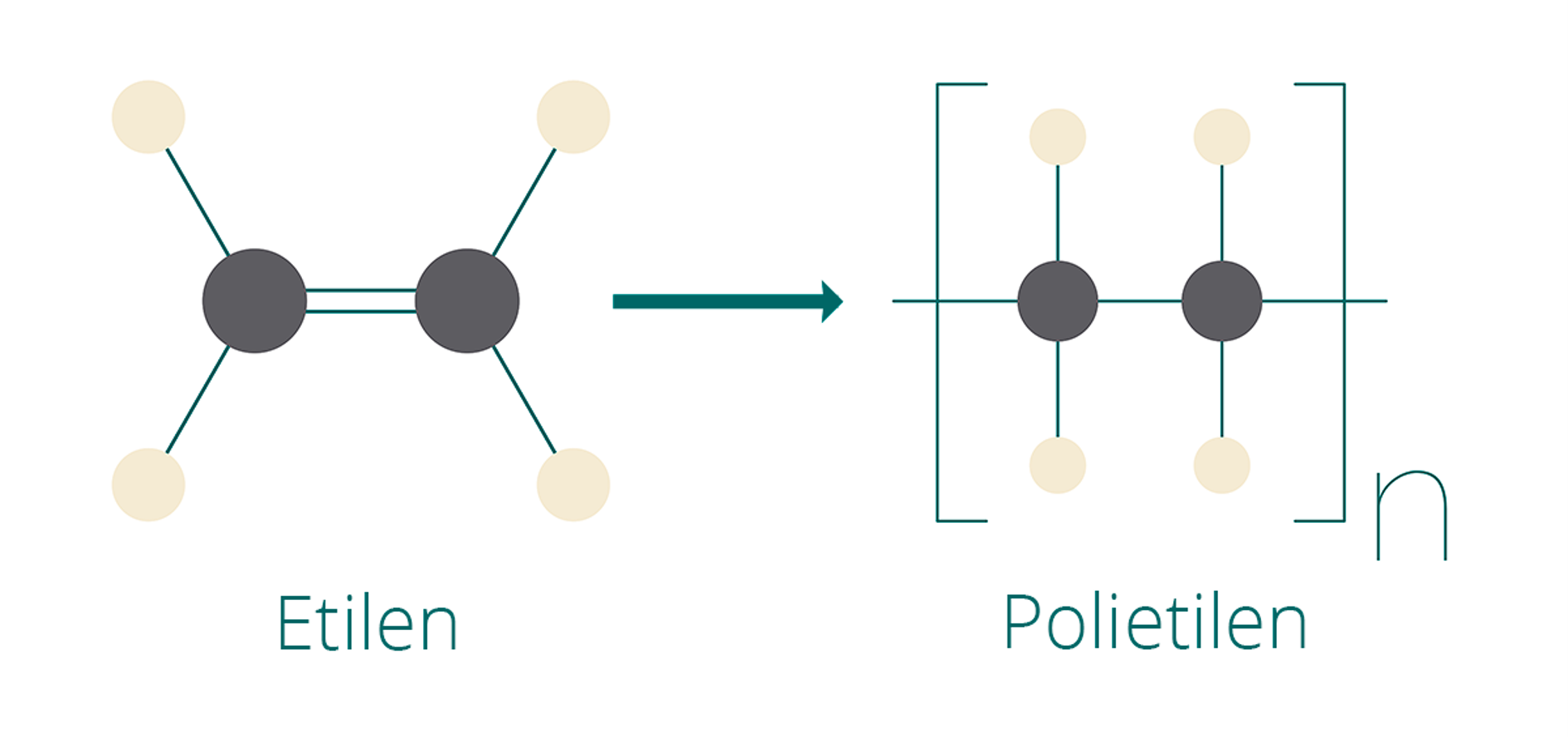
Plastic refers to materials formed by the bonding of small molecular units composed of elements such as carbon, oxygen, and hydrogen. These molecular units that make up plastic are called monomers. For example, the ethylene (C2H4) molecule is a monomer. Plastics can be shaped under heat and pressure.
How is Plastic Produced?
Plastics are produced by bonding monomers together with the help of catalysts. This long, chain-like structure is called a polymer. This method used in plastic production is called polymerization. For example, polyethylene is a type of plastic. In the presence of a catalyst, the double bonds between the carbons in the ethylene (C2H4) molecule are broken. Subsequently, multiple ethylene molecules bind to each other, forming a chain-like structure.
In daily life, we use plastics with different chemical structures. For instance, polyethylene terephthalate (PET), found in single-use water bottles, consists of ethylene glycol (C2H6O2) and terephthalic acid (C8H6O4); whereas polyethylene (PE), used in the insulating layers on the outside of cables, is formed by the combination of multiple ethylene (C2H4) molecules. Polypropylene (PP) used in cleaning sponges, polyvinyl chloride (PVC) used in doors and windows, polystyrene (PS) used in making foam materials, and polyamide (PA) used in making nylon fabrics are also among the different types of plastics.
Polystyrene is a type of plastic used in making foam materials.
The monomers used in plastic production are mostly obtained from organic materials such as crude oil, natural gas, and cellulose.
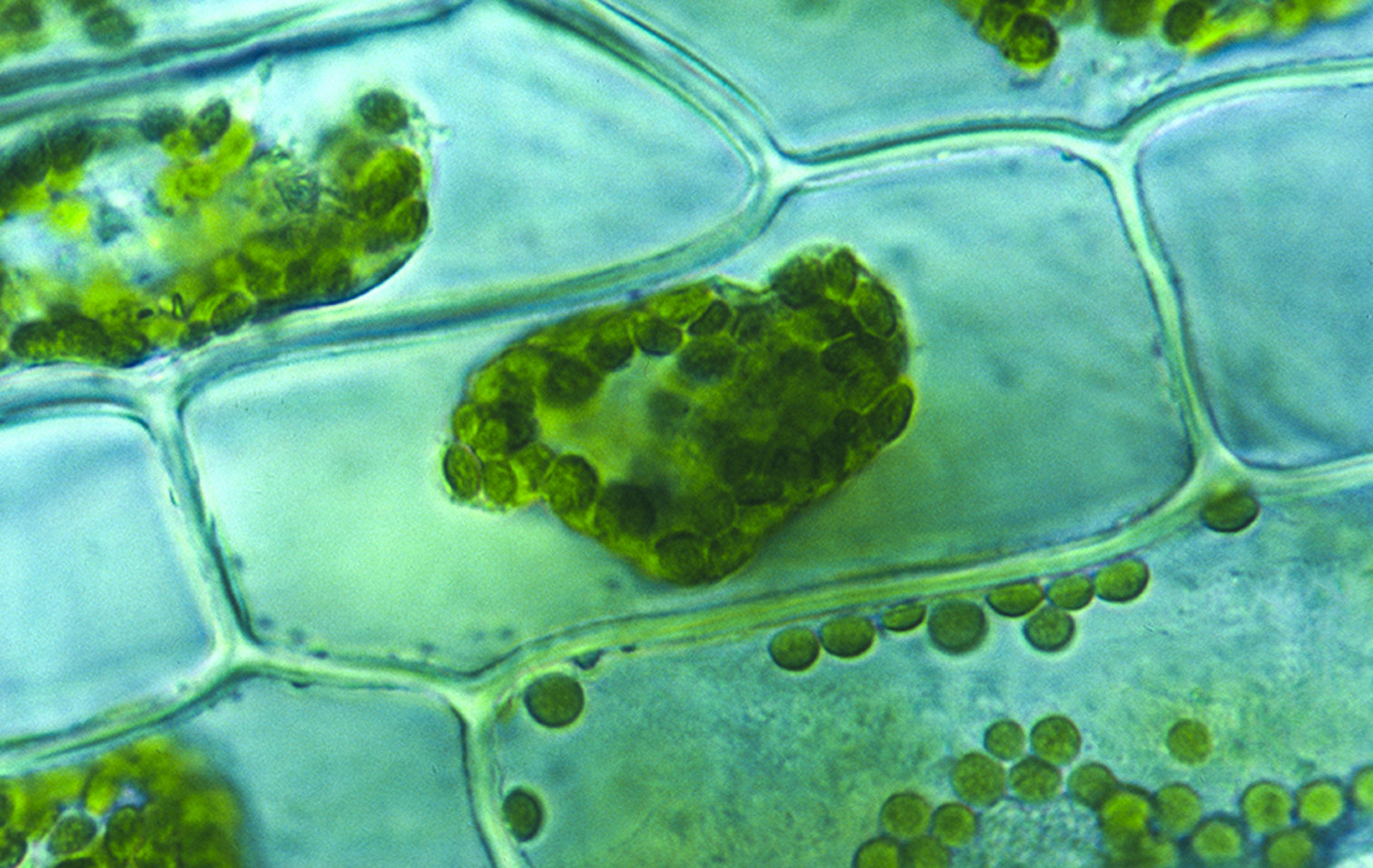
The cellulose molecule found in the cell walls of plants can be used in the production of biodegradable plastics.
Which Materials Contain Plastic?
Many materials we use in daily life contain plastic. For example, plastics are used in water bottles, diapers, trash bags, furniture, medical devices, wrapping paper, televisions, computers, phones, bandages, straws, toys, and many other products.
Thomas Demarczyk/iStock.com
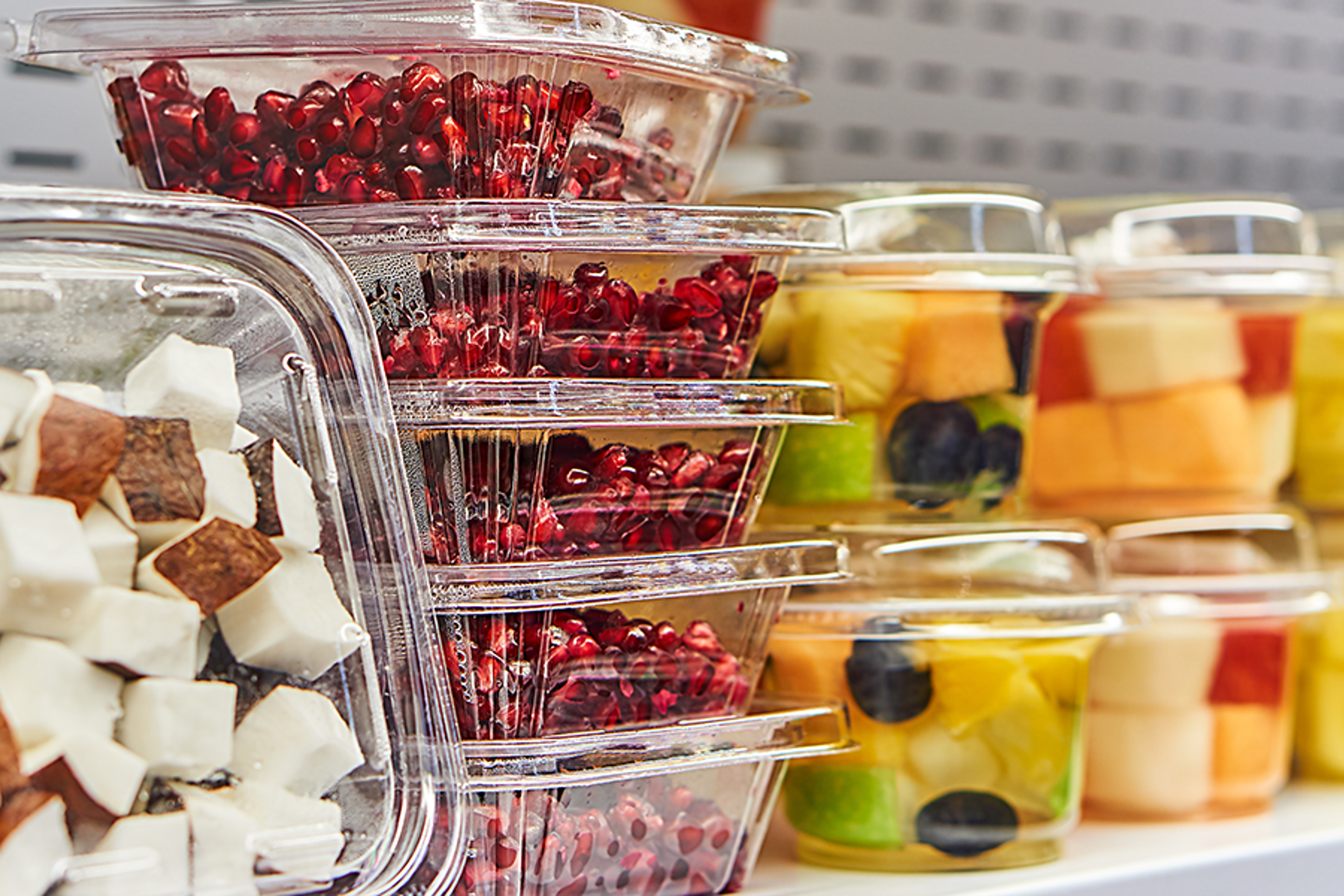
One of the most common areas where plastics are used is packaging.
How is Plastic Recycled?
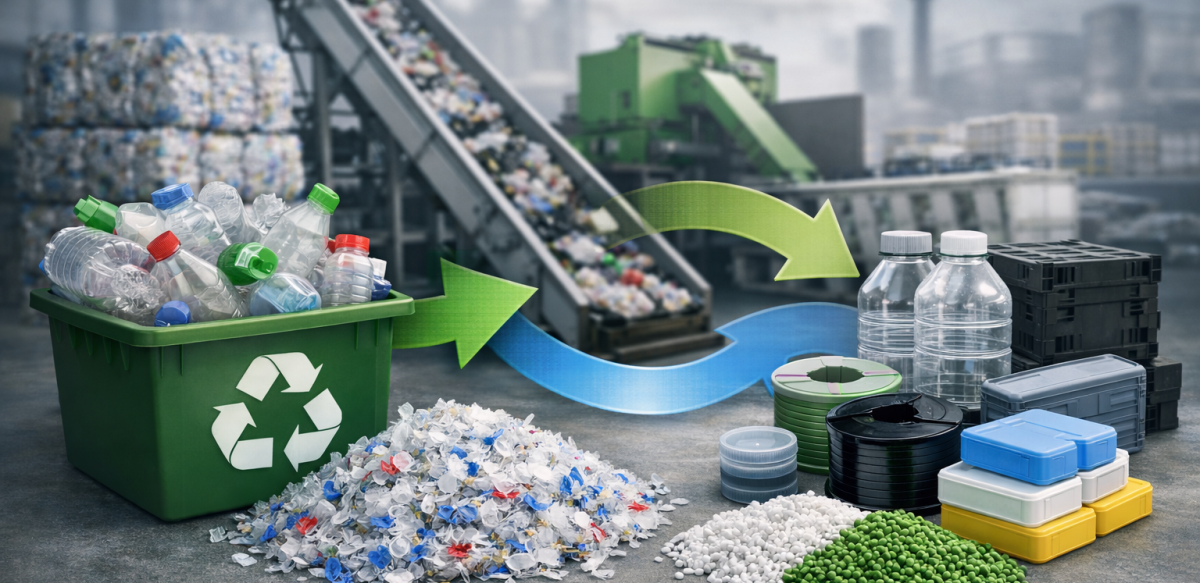
Plastics are recycled through two main mechanisms. These are mechanical and chemical recycling.
How Does Mechanical Recycling Work?
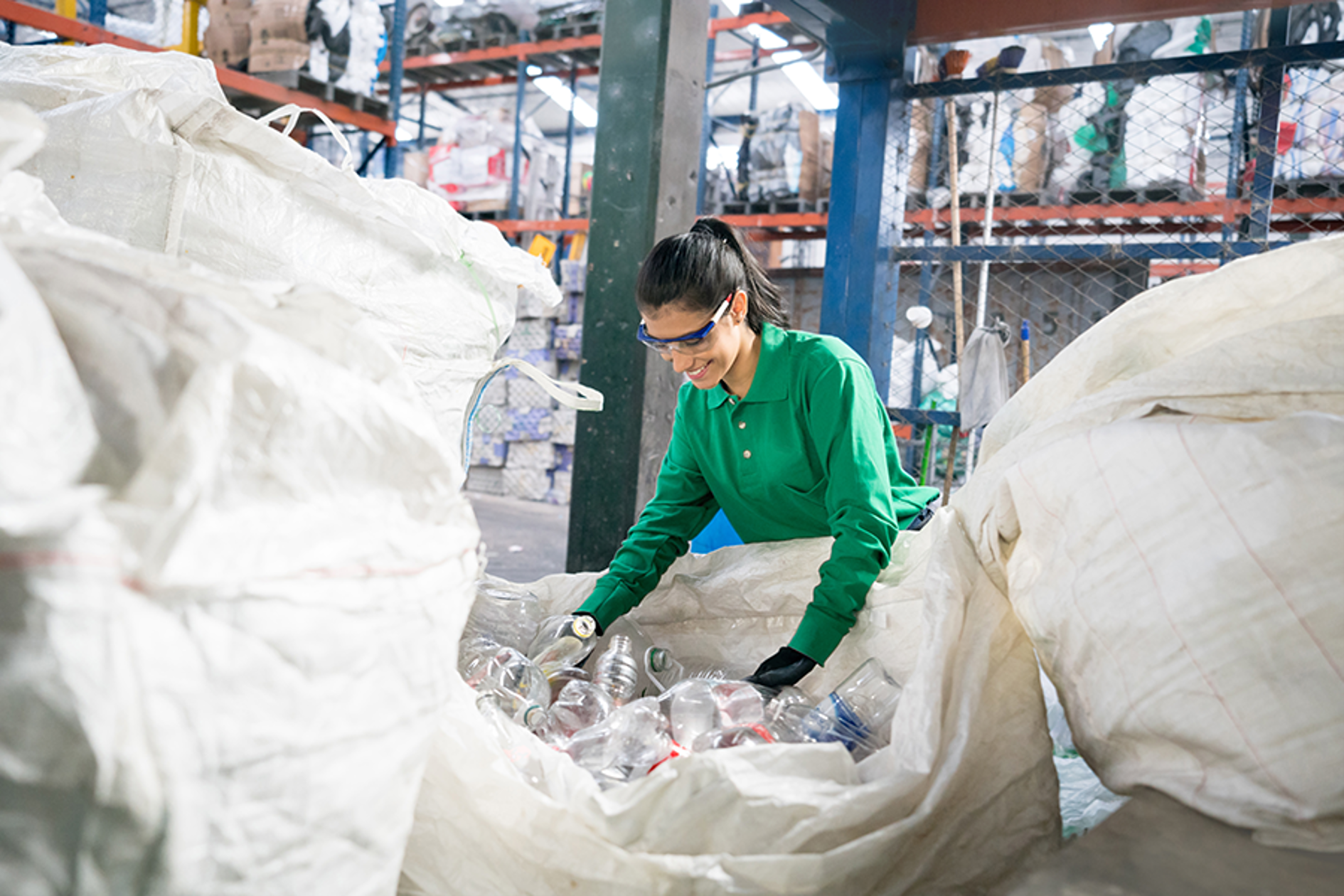
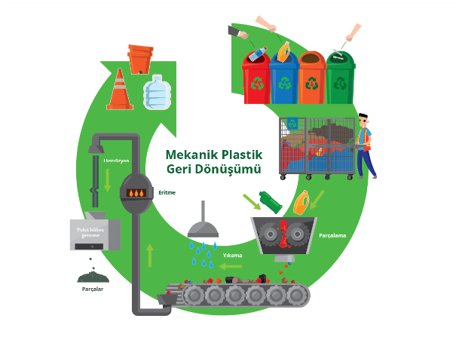
In the mechanical recycling method, waste plastics are first collected from recycling bins and brought to recycling facilities. After other materials found together with the waste plastics, such as glass and metal, are cleaned out, the plastics are sorted according to their types. This is because each type of plastic is recycled using different methods depending on its chemical composition.
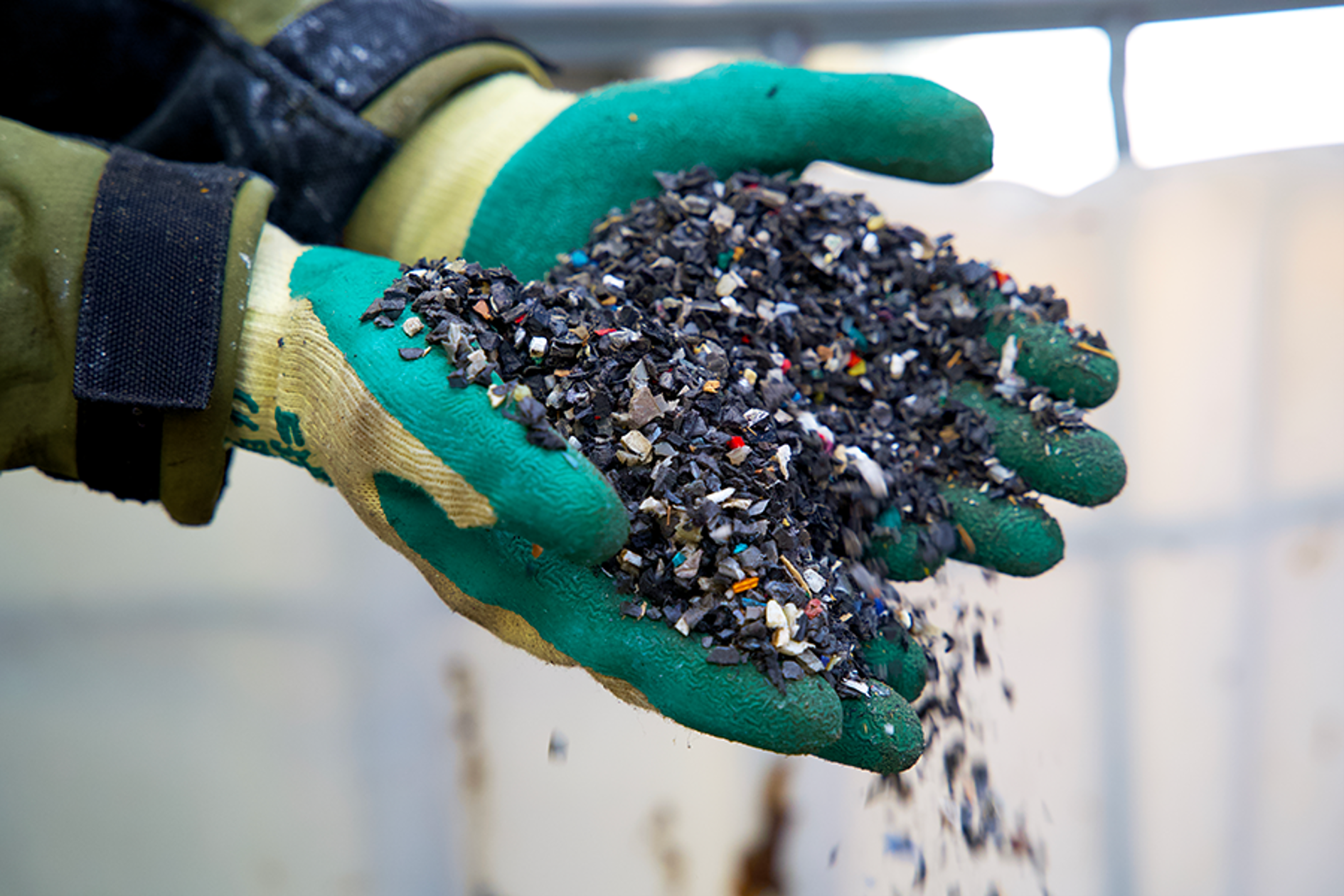
After the plastics are sorted by type, they are washed. During the washing stage, labels and food waste on the plastics are cleaned off. The washed plastics are then shredded into smaller pieces in crushing machines and dried.
Shredded Plastics
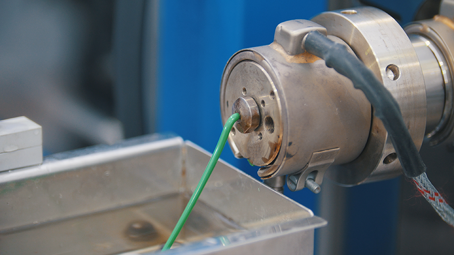
The dried plastic pieces are heated and melted in machines called extrusion machines. The molten plastic is shaped by different dies at the tip of the machine. The semi-fluid plastic emerging from the machine is cooled to become completely solid and is cut to the desired dimensions.
Cable-shaped plastic emerging from an extrusion machine - Studia72/iStock.com
The recycled plastics are sent to companies that manufacture plastic products to be used again for the production of new plastic materials.
How Does Chemical Recycling Work?
Chemical recycling is an emerging technology used for plastics that are difficult to recycle or for which mechanical recycling is economically detrimental. Three different methods are used in chemical recycling. These are purification, depolymerization, and raw material recycling methods.
In the purification method, plastics are dissolved using appropriate solvents according to their types. In this way, plastics are purified from foreign materials and other wastes that cannot dissolve in the solvent. The purified plastics are crystallized to separate them from the solvent as well, making them reusable. This method is mostly used for polyvinyl chloride (PVC), polystyrene (PS), polyethylene (PE), and polypropylene (PP).
Yarn produced from polypropylene
In the depolymerization method, the plastic to be recycled is broken down into its monomers or shorter polymer fragments called oligomers under the influence of solvents, chemical substances, and heat.
In the raw material recycling method, pyrolysis, gasification, or hydrothermal processing is used. In the pyrolysis process, plastic is exposed to high temperatures in an oxygen-free environment and broken down into its hydrocarbons. At the end of this process, plastics are converted back into synthetic crude oil. In the gasification process, plastic is exposed to very high temperatures in an environment with a limited amount of oxygen, and at the end of this process, the plastic is converted into gases such as hydrogen, carbon monoxide, and methane. In hydrothermal processing, plastic is reacted with hot, pressurized water, and at the end of this process, monomers and different chemical substances are obtained from the plastic.
What Can We Do Individually to Prevent Plastic Pollution?
According to research, less than 10% of the plastics produced every year are recycled. This situation causes plastic pollution to increase progressively. So, what can we do individually to prevent the increase of plastic pollution?
We can throw the plastic we use into the appropriate recycling bin.
We can use shopping bags instead of plastic bags for shopping.
We can prefer reusable bottles instead of single-use plastic bottles.
We can use glass products instead of plastic.
We can prefer reusable or paper straws instead of single-use straws.
We can choose natural fabrics such as cotton, wool, or bamboo instead of synthetic fabrics.
Glossary:
Catalyst: Substances that allow a reaction to occur faster but are not consumed themselves during the reaction.
modernplastik.com web sitesinde yasalara uygun olarak çerezler kullanmaktadır. Sitede gezinmekle çerez kullanımımızı kabul etmiş olursunuz. Daha fazla bilgi almak için çerez politikamıza göz atabilirsiniz.